The Microbiology of the Traditional Bathroom Towel
Bathrooms are warm, humid micro-climates that foster rapid bacterial and fungal proliferation. A standard looped-terry cotton towel used just two or three times can harbor millions of colony-forming units (CFUs) of bacteria, including Cutibacterium acnes, Staphylococcus aureus, and mold spores.
Rubbing a damp towel across freshly washed facial skin transfers this microbial load straight into open pores and micro-fissures, compromising the acid mantle and triggering persistent inflammatory breakouts.
Fabric Friction & Mechanical Skin Barrier Trauma
Laundering traditional towels with conventional detergents coats cotton fibers in chemical fragrance oils, fabric softeners (cationic surfactants), and optical brighteners. Over repeated washes, cotton loops also stiffen, acting like micro-abrasives on delicate skin.
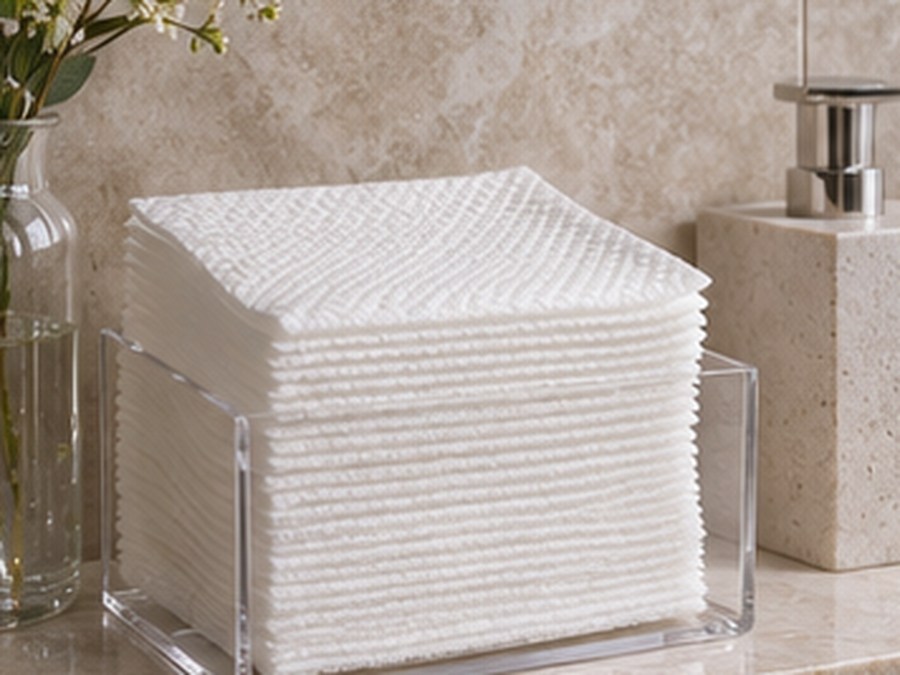
Single-use biobased plant viscose towels are manufactured without synthetic binders or surfactants. Their microscopic fibers are silky and pliable, absorbing water instantly through capillary action with zero mechanical friction.